
Table of Contents
Toggle1. The Rise of E-Commerce and Online Shopping
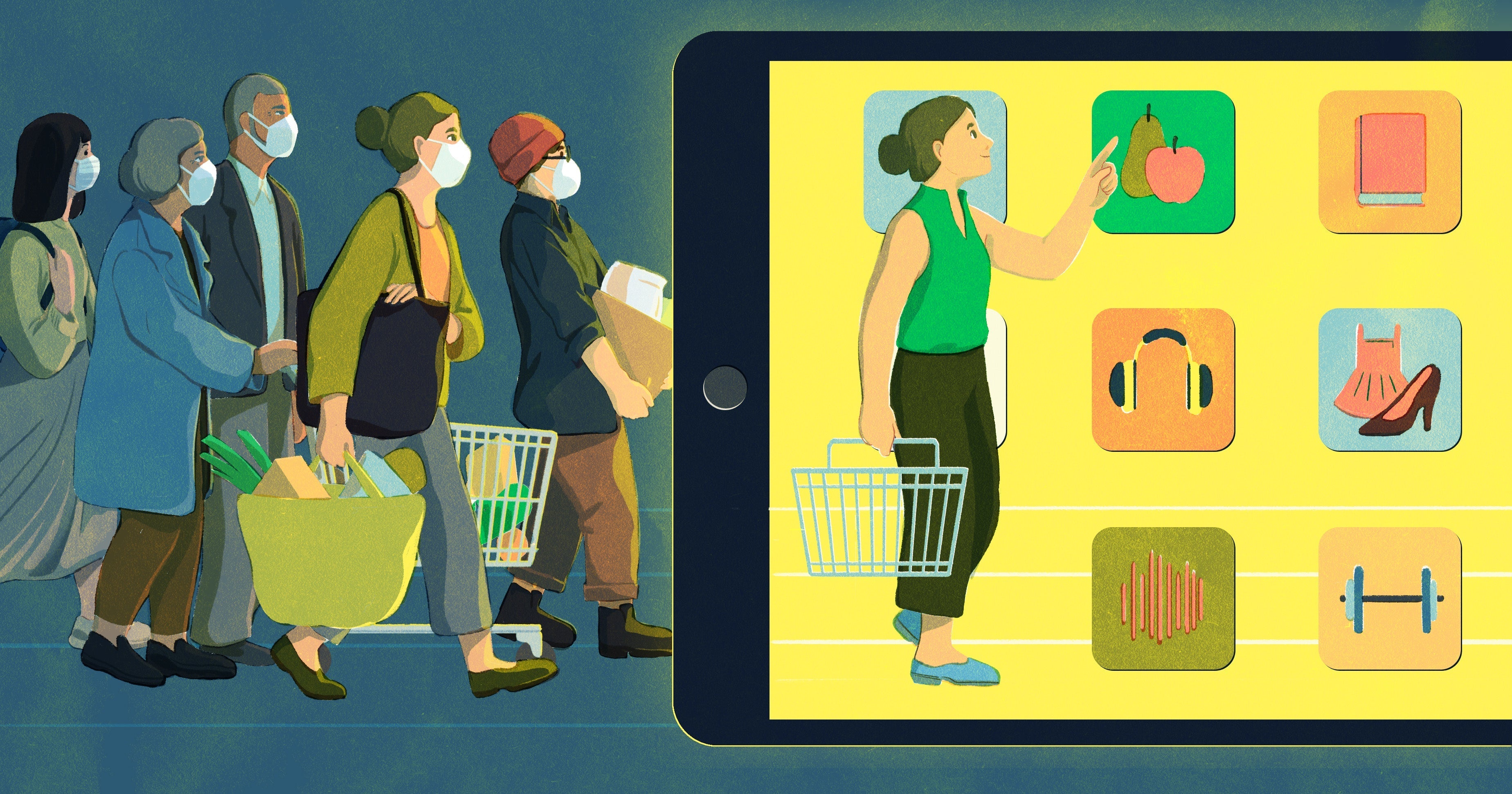
E-commerce continues to dominate the shopping landscape. With the convenience of shopping from home, access to a wider variety of products, and the ability to compare prices, online shopping has grown exponentially in recent years. This trend has only accelerated with the impact of the COVID-19 pandemic, which forced many brick-and-mortar stores to close temporarily, pushing consumers toward online shopping.
Key Trends in E-Commerce:
- Mobile Shopping: Shopping via smartphones has become increasingly popular. According to reports, mobile commerce is expected to account for a significant portion of all e-commerce sales in the coming years.
- Social Commerce: Platforms like Instagram, Facebook, and TikTok are now incorporating shopping features, enabling users to buy directly from posts and stories. This trend merges social media with shopping, making the purchasing process seamless.
- Buy Now, Pay Later (BNPL): Services like Klarna, Afterpay, and Affirm are making shopping more accessible by allowing consumers to split their purchases into manageable installments, without paying interest or fees (if paid on time). This option is especially popular among younger shoppers.
What’s Shaping This Trend:
- Convenience and Accessibility: Consumers can shop anytime and from anywhere, making it easy to discover and purchase products.
- Personalization: E-commerce platforms use data to personalize shopping experiences, offering product recommendations based on browsing and purchasing history.
- Delivery Innovation: Fast and flexible delivery options, including same-day shipping and eco-friendly delivery services, are becoming increasingly important to consumers.
2. Sustainability and Eco-Friendly Shopping
Sustainability is no longer just a buzzword; it’s a driving force behind many shopping trends. With increasing awareness about environmental issues, consumers are placing a higher priority on ethical practices, sustainable products, and eco-friendly packaging. Retailers are responding by shifting their business models and providing more sustainable options for shoppers.
Key Sustainable Shopping Trends:
- Secondhand and Thrift Shopping: The market for secondhand goods is booming. Platforms like ThredUp, Depop, and Poshmark are making it easier to buy and sell pre-loved items, giving products a second life while reducing waste.
- Eco-Friendly Packaging: Brands are investing in sustainable packaging, including biodegradable, recyclable, or reusable materials, to minimize environmental impact.
- Sustainable Products: Consumers are opting for products made with eco-friendly materials, such as organic cotton, recycled plastic, or biodegradable fabrics. Companies like Patagonia, Allbirds, and Everlane are leading the way with sustainable offerings.
- Carbon Offsetting: Some retailers are providing options for consumers to offset the carbon emissions from their deliveries, such as through tree planting or supporting renewable energy projects.
What’s Shaping This Trend:
- Rising Environmental Awareness: With growing concerns about climate change and pollution, consumers are more conscious about the environmental footprint of their purchases.
- Transparency: Shoppers are demanding transparency from brands about where and how products are made, and how businesses are contributing to environmental protection.
- Circular Fashion: Clothing rental, upcycling, and recycling programs are becoming more common, encouraging consumers to reuse instead of discarding products.
3. Experiential Shopping
While e-commerce continues to grow, consumers are still craving the tactile, immersive experiences that physical stores can offer. Experiential shopping blends the digital and physical, offering customers a memorable experience that goes beyond simply purchasing items. Retailers are focusing on creating engaging, sensory-rich environments to enhance the in-store shopping experience.
Key Trends in Experiential Shopping:
- In-Store Events and Pop-Ups: Many brands are hosting interactive events, pop-up shops, and exclusive experiences to attract customers. These events can range from product launches to themed immersive experiences, creating buzz and excitement around the brand.
- Augmented Reality (AR) and Virtual Reality (VR): Technology is transforming in-store experiences with AR and VR. Consumers can use AR to try on clothes virtually, see how furniture looks in their homes, or explore products in 3D before making a purchase.
- Personalized Shopping Experiences: In physical stores, retailers are using technology to provide personalized experiences. For example, smart mirrors allow customers to virtually try on clothes, while sales associates may use tablets to access a customer’s previous purchase history and preferences.
What’s Shaping This Trend:
- Social Interaction: Shoppers are increasingly seeking out experiences that allow them to socialize, discover new products, and engage with brands in meaningful ways.
- Brand Loyalty: Experiential www.cute-marie.com creates emotional connections between brands and customers, fostering long-term loyalty and repeat business.
- Instagrammable Moments: Retailers are designing spaces that are visually striking and encourage consumers to share their experiences on social media, helping to promote the brand organically.
4. Personalization and Data-Driven Shopping
Personalization has become a key aspect of modern shopping, with brands leveraging data and technology to tailor the shopping experience to individual preferences. From personalized recommendations to customized products, consumers now expect a more individualized experience.
Key Personalization Trends:
- AI-Powered Product Recommendations: Retailers are using artificial intelligence (AI) to analyze consumer behavior and offer personalized product suggestions, creating a curated shopping experience.
- Customizable Products: Consumers are increasingly seeking products they can personalize, from custom-made shoes to bespoke jewelry. This trend allows shoppers to express their individuality while ensuring their products feel unique and special.
- Loyalty Programs: Retailers are offering personalized discounts and rewards to loyal customers based on their purchase history, encouraging repeat business and customer satisfaction.
- Targeted Marketing: Brands are using data to send tailored promotions, advertisements, and discounts that resonate with individual shoppers’ preferences and shopping habits.
What’s Shaping This Trend:
- Technology and Big Data: Brands are using big data and machine learning algorithms to better understand consumer behavior and deliver more personalized experiences.
- Customer Expectations: Shoppers now expect more tailored experiences, and many are willing to share data in exchange for relevant offers, products, and discounts.
5. Social Media and Influencer Shopping
Social media continues to be a powerful tool for both marketing and shopping. Influencers, celebrities, and brands are using platforms like Instagram, TikTok, and YouTube to directly reach consumers, creating a more integrated shopping experience.
Key Social Media Shopping Trends:
- Shoppable Posts: Instagram, Facebook, and TikTok have integrated shopping features that allow users to purchase products directly from posts, stories, or videos. Brands are leveraging this feature to turn their social media presence into a direct sales channel.
- Influencer Marketing: Consumers are increasingly turning to influencers for product recommendations. Influencers are often seen as more trustworthy than traditional advertising, and their endorsements can drive significant sales.
- Live Shopping Events: Live streaming has become a popular way for brands to engage with consumers in real-time. Brands host live shopping events where they showcase products, interact with customers, and offer exclusive discounts.
What’s Shaping This Trend:
- Visual Shopping: Social media platforms are inherently visual, making them the perfect place for fashion, beauty, and lifestyle brands to showcase their products.
- Trust in Influencers: Consumers trust influencers to provide honest reviews and recommendations, and many are more likely to purchase products endorsed by influencers they follow.
- Interactive and Engaging: Social media shopping offers a more interactive and engaging shopping experience, with real-time feedback, direct communication, and personalized offers.
6. Sustainability in Packaging and Shipping
As consumers demand more sustainable options, brands are responding by offering eco-friendly packaging and shipping solutions. This includes reducing plastic waste, offering reusable packaging, and using recyclable materials.
Key Trends in Sustainable Packaging:
- Eco-Friendly Packaging: Brands are reducing their reliance on plastic and moving toward biodegradable or recyclable packaging options.
- Minimalist Packaging: Many brands are opting for simple, minimalistic packaging that reduces waste and environmental impact.
- Carbon Neutral Shipping: Some brands offer carbon-neutral shipping options, where emissions from transportation are offset through initiatives like tree planting.
What’s Shaping This Trend:
- Environmental Concerns: Consumers are becoming more aware of the environmental impact of packaging and shipping, and are increasingly demanding eco-friendly solutions.
- Corporate Responsibility: Brands are recognizing the importance of sustainability and are taking steps to reduce their carbon footprint in response to consumer demand.
Conclusion: The Future of Shopping
The shopping experience is rapidly evolving, with new trends shaping the way we buy products and interact with brands. From the rise of e-commerce and sustainability to the increasing role of technology and social media in retail, the future of shopping will be defined by convenience, personalization, and responsibility.
For retailers, staying ahead of these trends will be crucial to maintaining customer loyalty and staying competitive. For consumers, these trends offer exciting new ways to shop smarter, more sustainably, and more conveniently. Whether you’re looking for the latest in online shopping innovations, sustainable products, or immersive in-store experiences, the future of shopping is sure to be dynamic, diverse, and deeply interconnected with technology and social change.